
18 Jan, 2026 | caravanindie.info@gmail.com | No Comments
Summer Dehydration and Kidney Stones: What You Need to Know – By Dr Avinash Singh
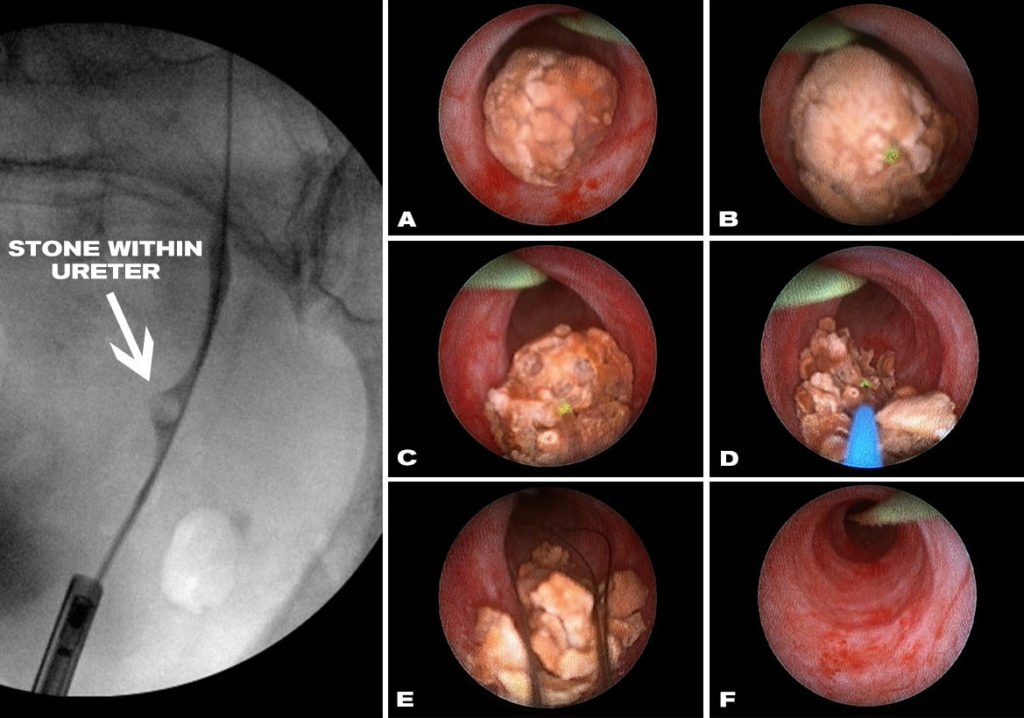
As temperatures rise and summer settles in, most people shift their focus to outdoor fun, vacations, and staying cool. But amidst the sunshine and heat, a silent health threat often goes unnoticed—kidney stones. Dehydration, a common issue during hot weather, significantly increases the risk of developing these painful stones. While many associate kidney stones with diet or genetics, the role of insufficient fluid intake, especially in the summer months, is often underestimated. This article explores how dehydration contributes to kidney stone formation, why the risk spikes during summer, and what simple steps can help you stay protected during the hottest time of the year. How dehydration contributes to kidney stone formation Your kidneys play a crucial role in filtering waste products from your blood and removing them through urine. To do this efficiently, they need a steady supply of water. When you’re dehydrated—especially during hot summer months—your urine becomes more concentrated, containing higher levels of minerals and salts. This concentrated urine creates the ideal environment for crystals to form and stick together, eventually growing into kidney stones. Here’s a step-by-step breakdown: 1. Low Urine Volume • Dehydration reduces the amount of urine produced. • Less urine means there’s less liquid available to dissolve waste products. • Minerals like calcium, oxalate, and uric acid can’t stay dissolved and start forming crystals. 2. Higher Concentration of Stone-Forming Substances • In concentrated urine, substances such as calcium, oxalate, and uric acid become highly saturated. • These substances can clump together, initiating the formation of kidney stones. 3. Imbalance of Protective Substances • Adequate hydration also helps maintain levels of natural inhibitors in urine (like citrate), which prevent stone formation. • When you’re dehydrated, these protective compounds may also be reduced, increasing the risk further. 4. Summer Risk Factor • In hot weather, you lose more fluids through sweating. • Without conscious effort to drink more water, you can become dehydrated quickly—often before you feel thirsty. Dehydration creates the perfect storm for kidney stones by reducing urine volume and concentrating stone-forming substances. That’s why staying well-hydrated is the single most effective way to prevent kidney stones, especially during the summer heat. The risk of kidney stones spikes during summer due to a combination of environmental, physiological, and behavioural factors that increase dehydration and affect urine chemistry. Here’s a detailed explanation: Why Kidney Stone Risk Spikes During Summer 1. Increased Fluid Loss through Sweating:- In hot weather, your body sweats more to regulate temperature. This leads to loss of fluids without you always realizing it. If the lost fluids aren’t replaced, it results in dehydration, which concentrates your urine—a key factor in kidney stone formation. 2. Concentrated Urine = Higher Stone-Forming Risk:- With less water in your system, your kidneys produce less urine. The urine that is produced becomes more concentrated with minerals like calcium, oxalate, and uric acid. These minerals can crystallize and clump together, forming stones. 3. Reduced Thirst Awareness:- People often don’t feel thirsty until they’re already mildly dehydrated. During summer activities (like sports, hiking, or being outdoors), hydration is often neglected, increasing the risk. 4. Diet Changes in Summer:- Some people eat more salty, sugary or high-protein foods (like barbecue or processed snacks) and drink sweetened beverages (like soda or iced tea) instead of water. These dietary changes can alter the chemical composition of urine, promoting stone formation. 5. Geographic and Climate Factors:- People living in hotter, drier regions (sometimes called the “Stone Belt” in the U.S., e.g., the Southeast) are at a consistently higher risk due to the climate. Summer heat in these areas only amplifies the risk further. Here are simple, practical steps to help protect yourself from kidney stones during the hottest time of the year: 1. Stay Hydrated — consistently aim for at least 2.5 to 3 liters (10–12 cups) of water per day, more if you’re sweating a lot. A good rule: Your urine should be light yellow or clear — dark yellow indicates dehydration. 2. Avoid Sugary and Cola-Based Drinks Sodas (especially colas) contain phosphates that can promote stone formation. Instead, choose water, lemon water, or herbal teas. 3. Eat a Balanced, Low-Oxalate Diet Limit high-oxalate foods like spinach, beets, nuts, and chocolate. 4. Moderate Salt and Animal Protein Intake Too much salt increases calcium in urine. High animal protein intake (red meat, eggs) increases uric acid, a common stone-forming substance. 5. Include Citrate-Rich Foods Citrate helps prevent stones from forming. Good sources: lemons, limes, oranges — try adding fresh lemon juice to your water. 6. Don’t Ignore Signs of Dehydration Symptoms like dry mouth, dizziness, headache, or dark urine mean you’re not drinking enough water? 7. Time Outdoor Activities wisely avoid peak heat hours (11 a.m. – 4 p.m.). Carry a water bottle and take sips every 15–30 minutes if you’re outside or exercising. 8. Know Your Risk If you’ve had kidney stones before, speak with your doctor about getting a metabolic evaluation or specific dietary advice.
18 Jan, 2026 | caravanindie.info@gmail.com | No Comments
The Rise of Endourology a Minimal Invasive Procedure in Urological Surgeries; & Things Patients Need to Understand
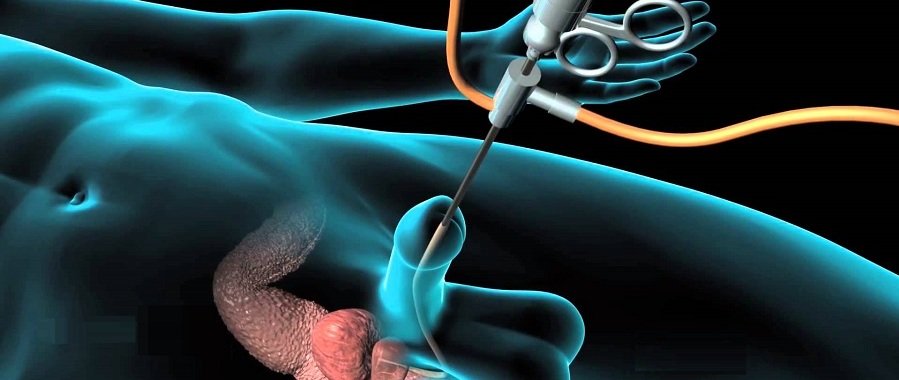
Exclusive Comments: Endourology is the minimal invasive way of doing Surgery for Urology Condition and treating conditions affecting the urinary tract system or male reproductive organs, in which we use telescopes and cameras to look inside the body cavity and perform procedures like stone removal, cancer surgery and reconstructive urology. These minimal invasive procedures either use the natural orifices like the urethral meatus which is the hole for urination in males and female or utilize very small nicks on the body to gain access to the concerned organ like kidneys, bladder, ureter or prostate. By avoiding large cuts we expedite recovery, reduce post-operative pain and thus ameliorating the need for pain killers. This aids in early return to work and normal life for the individual as also less sick leave and more productivity. This reduces the chances of wound infection and promotes early healing of wounds since there are no stiches the patients don’t have to come for stich removal. Minimal invasive urology has been around for decades and urologists have always been at the forefront of the development in minimal invasive surgery. Prostate and stone surgery have routinely been done without any cut using the natural orifice for urination. We employ high quality endoscopes and lasers for these surgeries with the advent of robotic surgery we are now able to do complex procedures like cancer surgery, reconstructive urology and kidney transplant with only small nicks on the tummy without the use of large incisions. This promotes early recovery and avoids big scar marks. Robotic surgery also makes it possible to do tele-surgery. A surgeon sitting in the confines of his office can operate anywhere in the world. We have come a long way from the days of large incision, painful and prolonged post-operative stay as also complications of open surgery. Minimal invasive procedures have significantly reduced blood loss and the need of blood transfusion. They also make teaching and training easier as everything is visible on screen in HD. With Newer higher resolution endo-vision systems which are ultra HD, 4K and going up to 8K as also 3D we are able to achieve crystal clear vision which adds to the surgeon delivering the best possible results. These techniques which were only available at centers of excellence in developed nations or in the metro cities in India are now available across the nation. Indian Urologists are outshining their Western counterparts with high level of proficiency and accuracy. Indians lead internationally in minimal Invasive surgery and robotic kidney transplant. Patients have myths that minimal invasive treatments leave stones behind. This myth is unfounded, and these procedures have very high stone-free rates above 90%, and no procedure, including open surger,y can claim to have 100% stone free rate in every patient.